Showing posts with label Tech. Show all posts

Thursday, May 19, 2011

How Nuclear Power Works

The nuclear power plant stands on the border between humanity's greatest hopes and its deepest fears for the future.


On one hand, atomic energy offers a clean energy alternative that frees us from the shackles of fossil fuel dependence. On the other, it summons images of disaster: quake-ruptured Japanese power plants belching radioactive steam, the dead zone surrounding Chernobyl's concrete sarcophagus.

But what happens inside a nuclear power plant to bring such marvel and misery into being? Imagine following a volt of electricity back through the wall socket, all the way through miles of power lines to the nuclear reactor that generated it. You'd encounter the generator that produces the spark and the turbine that turns it. Next, you'd find the jet of steam that turns the turbine and finally the radioactive uranium bundle that heats water into steam. Welcome to the nuclear reactor core.


The water in the reactor also serves as a coolant for the radioactive material, preventing it from overheating and melting down. In March 2011, viewers around the world became well acquainted with this reality as Japanese citizens fled by the tens of thousands from the area surrounding the Fukushima-Daiichi nuclear facility after the most powerful earthquake on record and the ensuing tsunami inflicted serious damage on the plant and several of its reactor units. Among other events, water drained from the reactor core, which in turn made it impossible to control core temperatures. This resulted in overheating and a partial nuclear meltdown [source: NPR].

As of March 1, 2011, there were 443 operating nuclear power reactors spread across the planet in 47 different countries [source: WNA]. In 2009 alone, atomic energy accounted for 14 percent of the world's electrical production. Break that down to the individual country and the percentage skyrockets as high as 76.2 percent for Lithuania and 75.2 for France [source: NEI]. In the United States, 104 nuclear power plants supply 20 percent of the electricity overall, with some states benefiting more than others.

In this article, we'll look at just how a nuclear reactor functions inside a power plant, as well as the atomic reaction that releases all that crucial heat.

Sunday, May 15, 2011

Most Expensive Cars In The World: Top 10 List 2010-2011

Here are the 10 most expensive production cars 


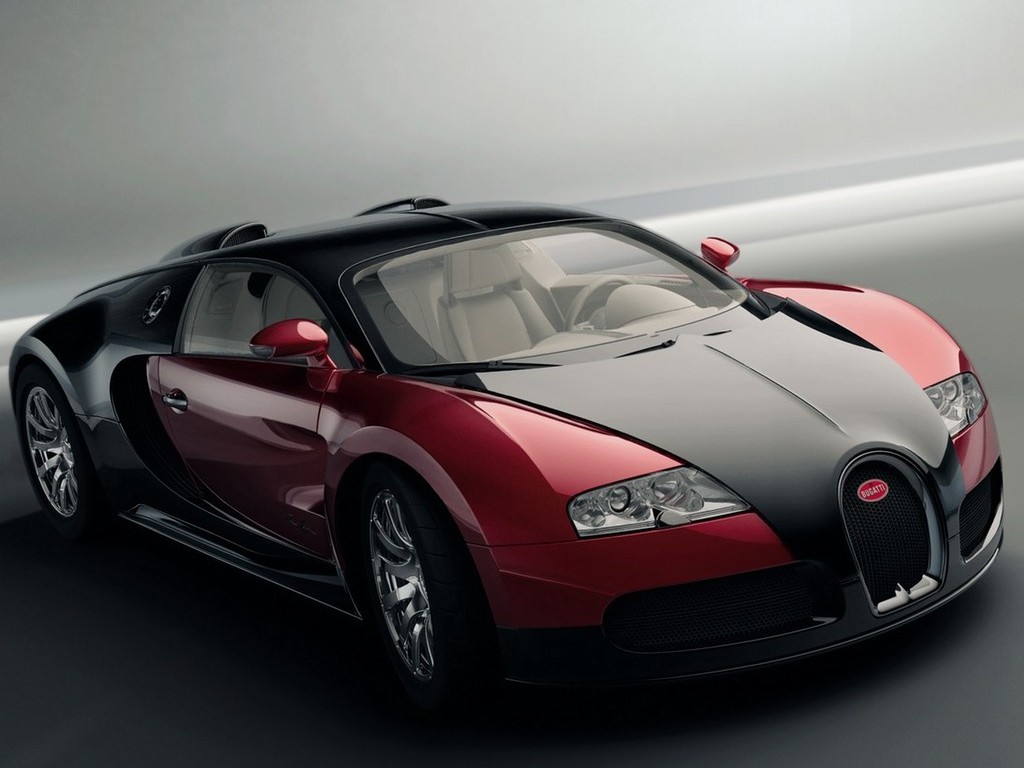
1. Bugatti Veyron $1,700,000. 
This is by far the most expensive street legal car available on the market today. It is the fastest accelerating car reaching 0-60 in 2.5 seconds. It is also the fastest street legal car when tested again on July 10, 2010 with the 2010 Super Sport Version reaching a top speed of 267 mph. When competing against the Bugatti Veyron, you better be prepared!
Bugatti Veyron: Most Expensive Car in The World


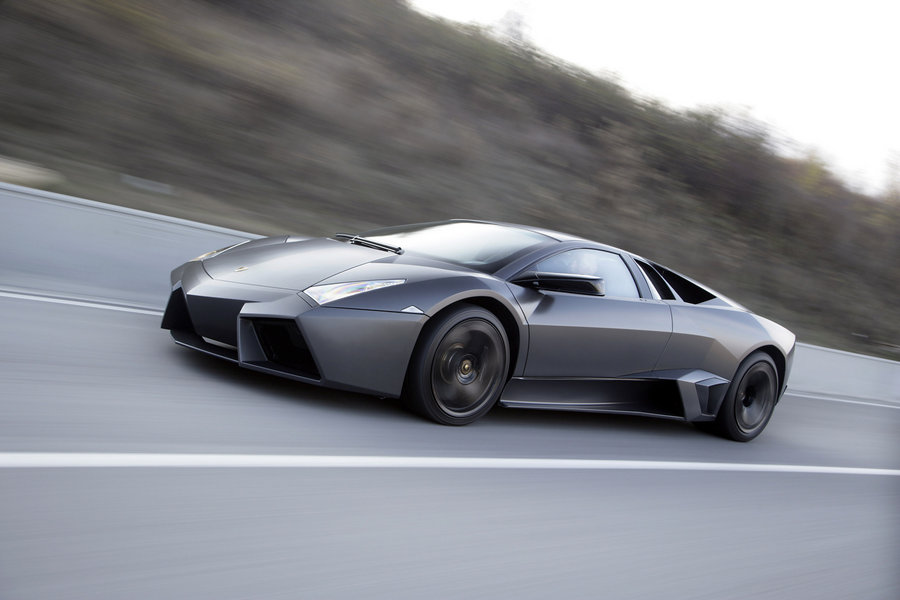
2. Lamborghini Reventon $1,600,000.
 The most powerful and the most expensive Lamborghini ever built is the second on the list. It takes 3.3 seconds to reach 60 mph and it has a top speed of 211 mph. Its rarity (limited to 20) and slick design are the reasons why it is so expensive and costly to own.
Lamborghini Reventon side view


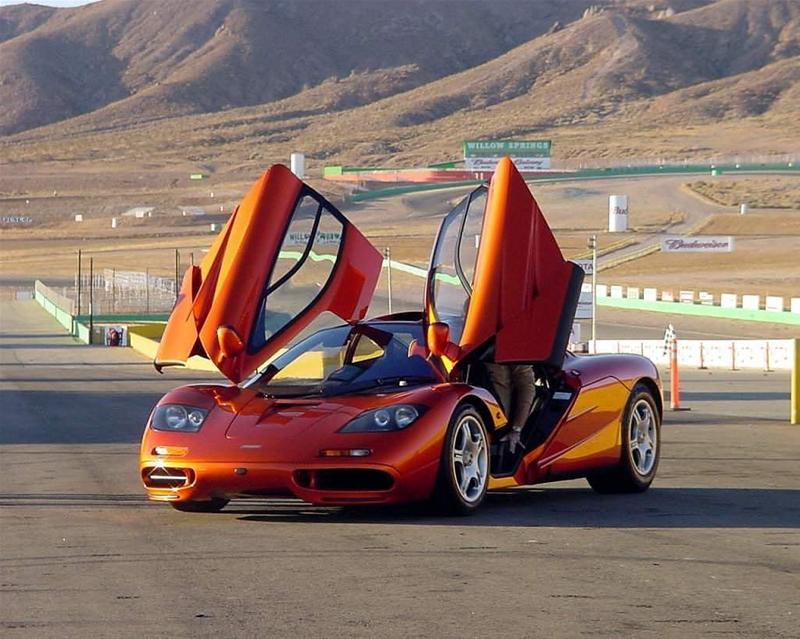
3. McLaren F1 $970,000. 
In 1994, the McLaren F1 was the fastest and most expensive car. Even though it was built 15 years ago, it has an unbelievable  top speed of 240 mph and reaching 60 mph in 3.2 seconds. Even as of today, the McLaren F1 is still top on the list and it outperformed many other supercars.
McLaren F1 Orange with doors open


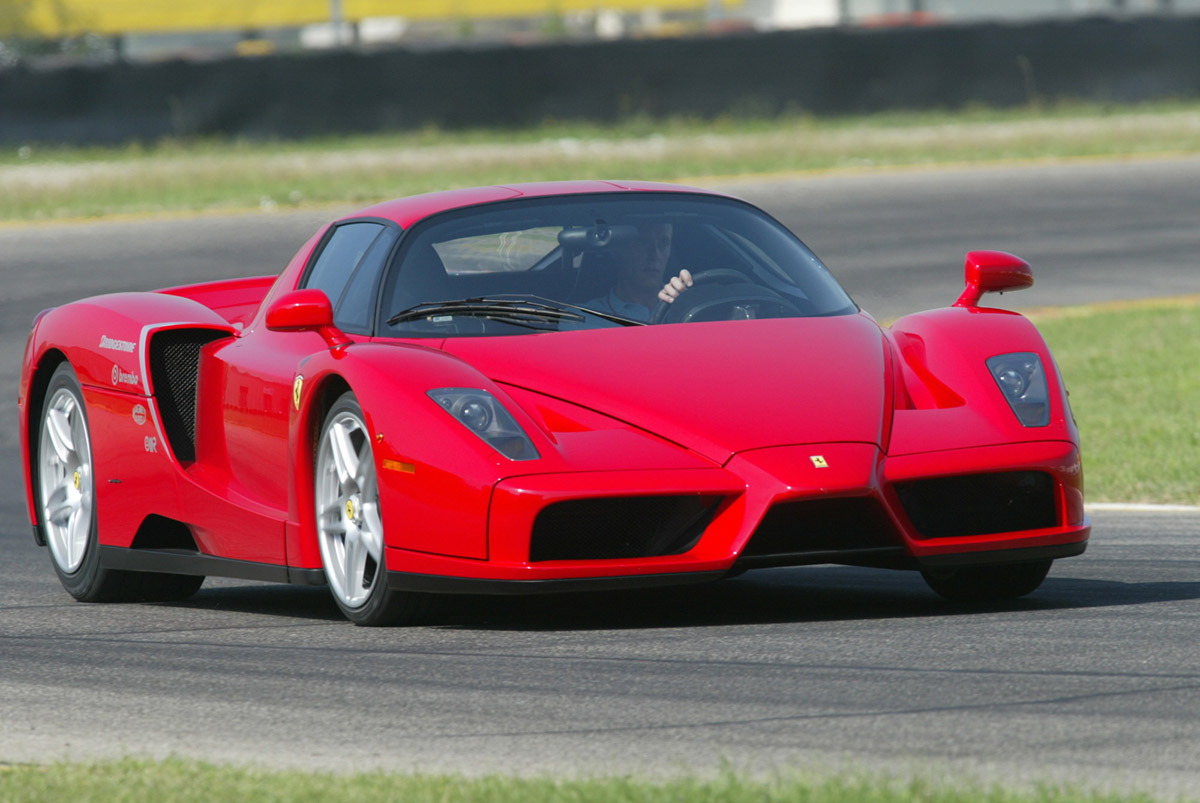
4. Ferrari Enzo $670,000. 
The most known supercar ever built. The Enzo has a top speed of 217 mph and reaching 60 mph in 3.4 seconds. Only 400 units were produced and it is currently being sold for over $1,000,000 at auctions.
Ferrari Enzo track run front view


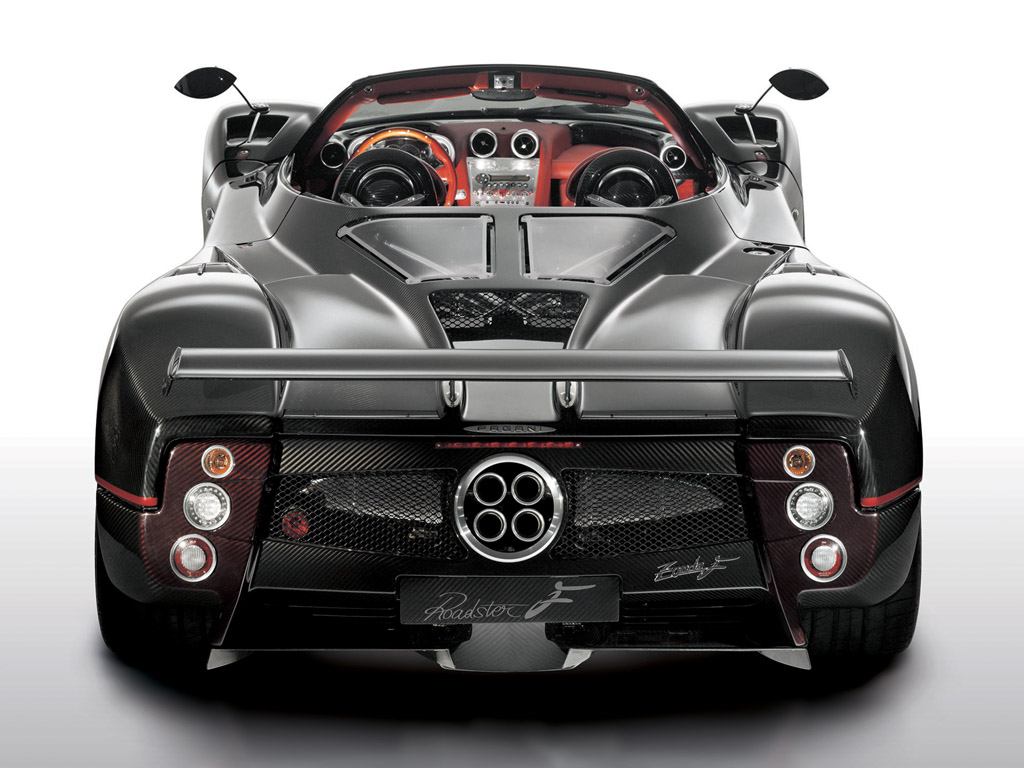
5. Pagani Zonda C12 F $667,321.
 Produced by a small independent company in Italy, the Pagani Zonda C12 F is the 5th fastest car in the world. It promises to delivery a top speed of 215 mph+ and it can reach 0-60 in 3.5 seconds.
Pagani Zonda C12 F: 2nd Most Expensive Car in the World


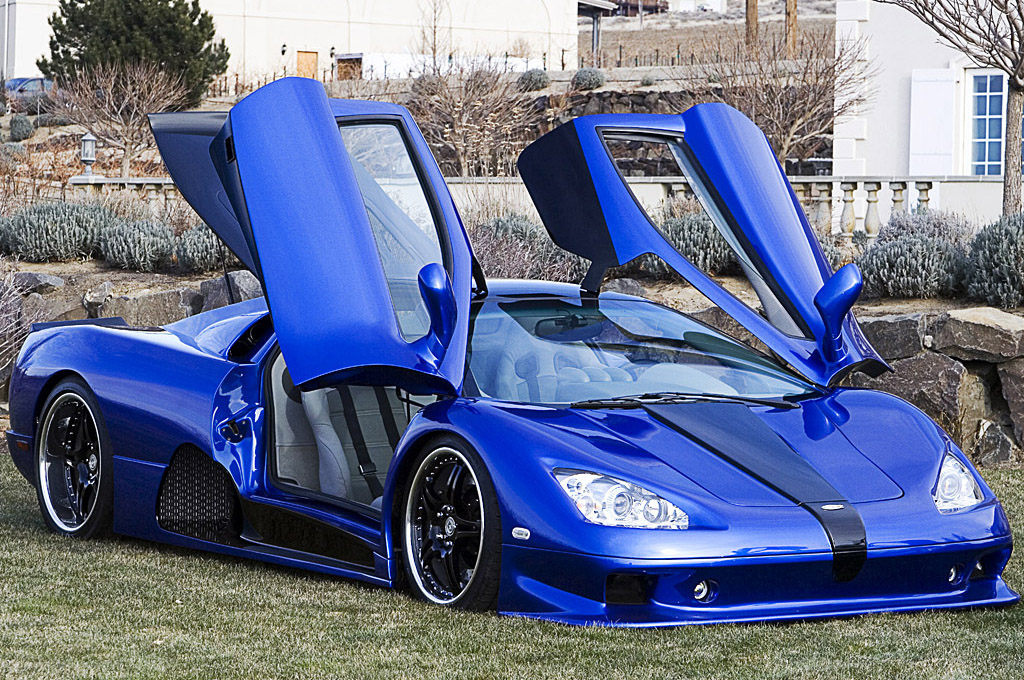
6. SSC Ultimate Aero $654,400
Don't let the price tag fool you, the 6th most expensive car is actually the 2nd fastest street legal car in the world with a top speed of 257 mph+ and reaching 0-60 in 2.7 seconds. This baby cost nearly half as much as the Bugatti Veyron, yet has enough power to compete against the most expensive car. It is estimated that only 25 of this exact model will ever be produced.
SSC Ultimate Aero 3rd most expensive car in the world


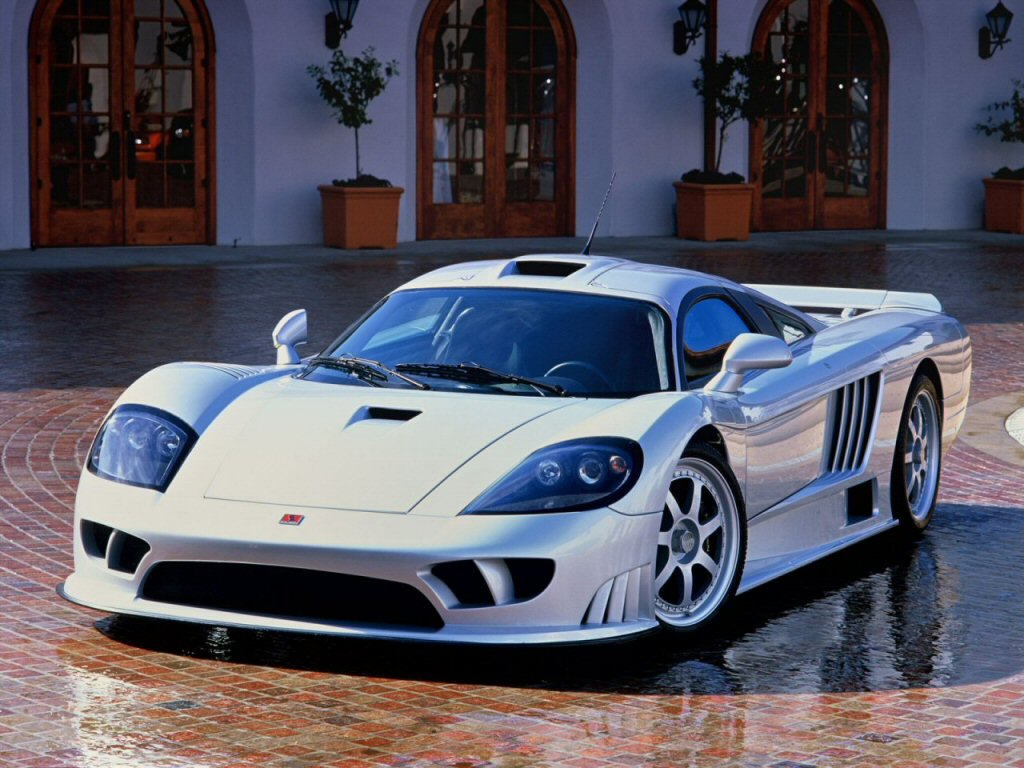
7. Saleen S7 Twin Turbo $555,000.
The first true American production certified supercar, this cowboy is also rank 3rd for the fastest car in the world. It has a top speed of 248 mph+ and it can reach 0-60 in 3.2 seconds. If you are a true American patriot, you can be proud to show off this car.
Saleen S7 Twin Turbo white


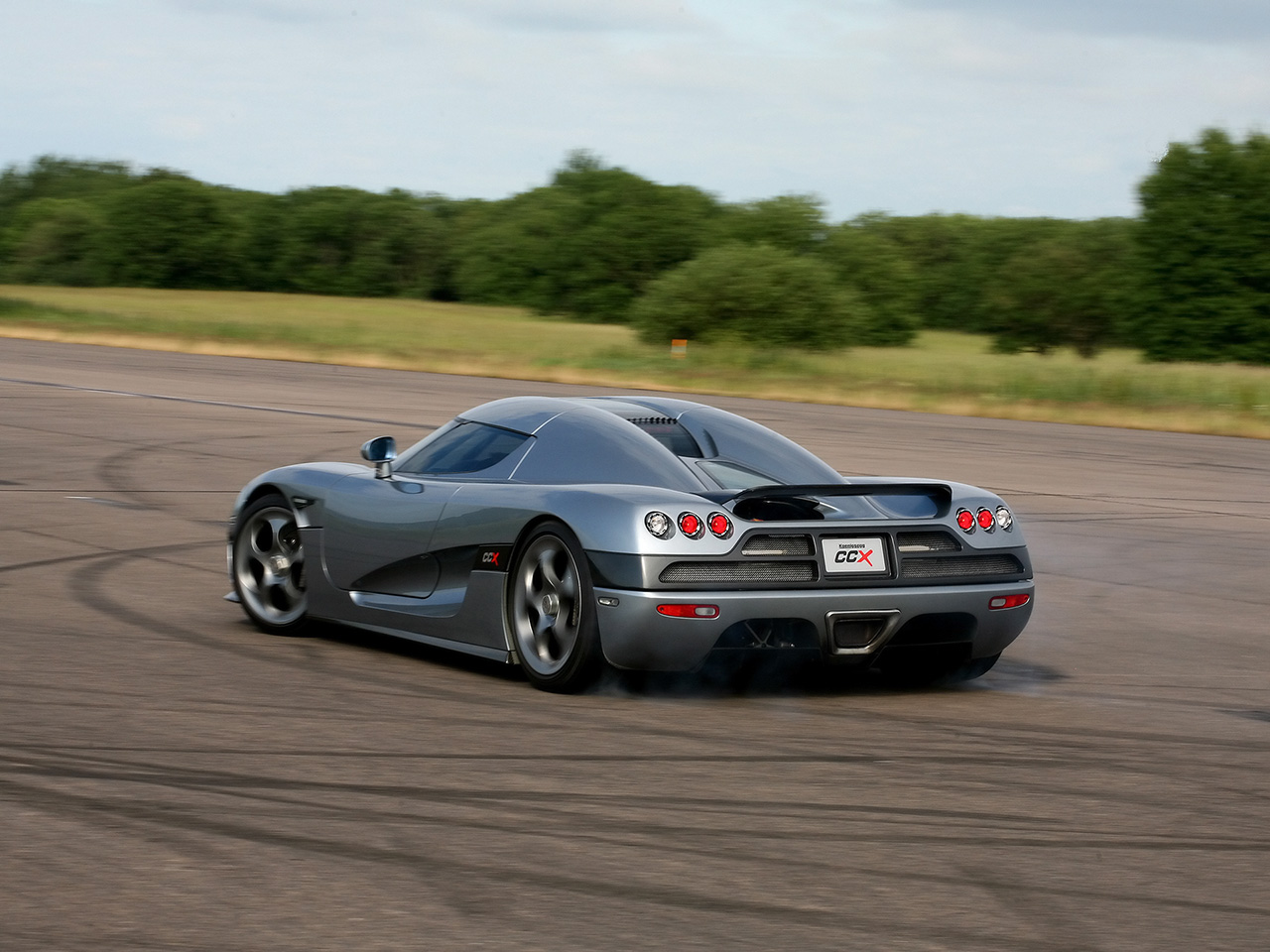
8. Koenigsegg CCX $545,568. 
Swedish made, the Koenigsegg is fighting hard to become the fastest car in the world. Currently, it is the 4th fastest car in the world with a top speed of 245 mph+, the car manufacture Koenigsegg is not giving up and will continue to try and produce the fastest car. Good luck with that!
Koenigsegg CCX side view


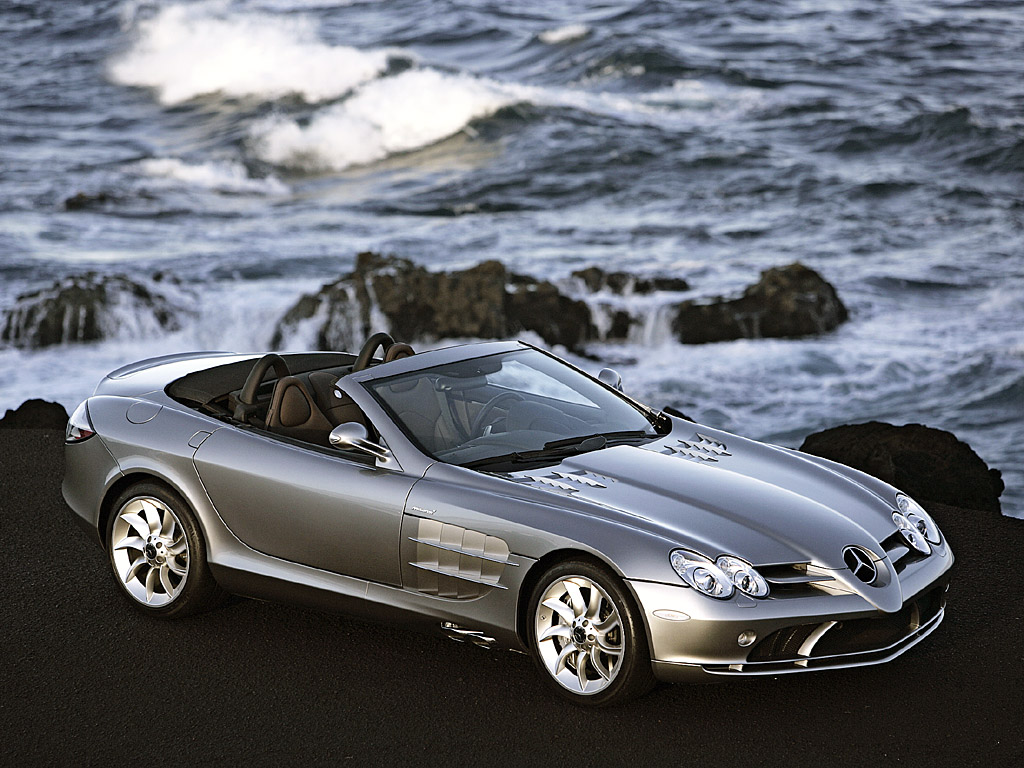
A GT supercar, the SLR McLaren is the fastest automatic transmission car in the world with a top speed of 206 mph+ and reaching 60 mph in 3.8 seconds. It is a luxurious convertible with a really powerful engine, which results in outstanding performances and style.
Mercedes-Benz SLR McLaren Roadster side front view


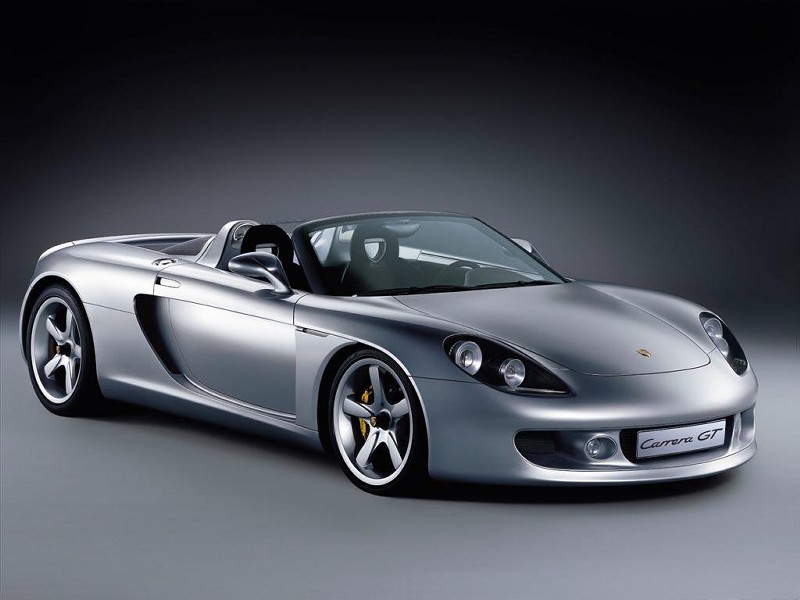
10. Porsche Carrera GT $440,000. 
A supercar with dynamic stability control and a top speed of 205 mph+ and it can reach 0-60 in 3.9 seconds. The Porsche Carrera GT applies the absolute calibers of a true racing car to offer an unprecedented driving feeling on the road.
Porsche Carrera GT

Saturday, May 14, 2011

Facebook's Stealth Attack On Google Exposes Its Own Privacy Problem


When Facebook was attempting to expose Google's privacy problem, they accidently outed themselves, too


(WIRED) -- OK, here's the deal. A big corporate PR firm, Burson-Marsteller, tried to entice USA Today to lambaste a Google feature called Social Circle, on privacy grounds. It also encouraged a security blogger to write an op-ed attacking Google on the product.
Burson would not say the name of its client. But instead of taking the bait, USA Today did due diligence and consulted experts who said that Social Circle was small potatoes compared to more pressing privacy stories.
Instead it published a story about the Burston "whisper campaign" against Google on behalf of a secret client.
Meanwhile the blogger released a damning transcript of his exchange with the sleazy folks from Burson.

Most people would have assumed that the client was Microsoft or AT&T, Google rivals already actively involved in seizing every possible opportunity to take its foe down a notch. But last night we learned that the cowardly accuser was Facebook. Thus exposed, Facebook has 'fessed up.
This is a stunning story for a number of reasons.
But here's what makes the least sense -- if there were privacy problems about Facebook information in Google Social Circle (which has now been transformed into a different product called Social Search), they may well have been a result of Facebook's own practices.
Facebook was griping that Google is getting information about its users without permission. But some information that users share with Facebook is available publicly, even to people who aren't their friends in in their social networks -- or even are members of Facebook.
It's not because outsiders raided the service and exposed that information. It's because Facebook chose to expose it.
Facebook used to have an implicit promise with its users. Basically the deal was what goes on Facebook stays on Facebook. But over the past couple of years Facebook has chosen to alter the deal.
Certain profile information became available outside of Facebook, easily searchable via Google and other means. (Users can opt out of showing this but relatively few do.) Some of that profile information includes a few of the people on the user's friend list. By repeatedly pinging public profiles, it's possible for Google or anyone else to figure out pretty much all your friends.
This information is a lot easier to unearth from inside Facebook, but actually logging into Facebook to purloin information would indeed be troublesome. For one thing, it would violate the terms of service agreement.
Is Google doing this? One of the Burson operatives implied that it is. But Google says the company does not go inside Facebook to scrape information, and I find this credible. (If Facebook has logs to prove this serious charge, let's see them.)
When Google launched Social Search, it also said specifically that it was not going to learn about Facebook connections by mining the Web as described above. Just how Google does get Facebook information is complicated, but as Danny Sullivan of Search Engine Land concluded after an extensive look, much of it seems to be by permission.
Things should be more clear when Google prepares a more detailed briefing on this, which I assume it is preparing at this moment. Or maybe Facebook will directly spell out its charges now that it's been outed.
But even if Google did scrape information from the public web, would that be so bad? You can argue whether or not Google would be crossing a privacy line by doing this. (And, remember, Google says it is not mining that public information.) But it's an argument with a pro and con. What you cannot argue is that is not Google but Facebook that puts some Facebook information into the open Web.
That is why Facebook's campaign is so weird. If outsiders are going to examine how third-party companies get information about Facebook's users, you can't help but question why some Facebook information, by default, shows up on the open web.
Also, consider this excerpt from the letter Burson's operative named John Mercurio wrote to gin up an attack without Facebook's fingerprints on it. "Google's latest plan," he wrote, "totally disregards the intimate and potentially damaging details that could be revealed, including sexual orientation, political affiliation, personal connections, etc..."
This is ironic since, in my experience, Facebook user profiles with such information are much easier to view that they were in the early days of the service. Unless people actively take steps to opt out, it's possible for "friends of friends" (i.e., strangers) to view someone's personal information on Facebook.
And it was also remarkable that the Burson operative wailed about the privacy implications of letting millions of people examine a Facebook user's friend list. In my experience the vast majority of Facebook users do not take the steps to hide their connections, a list which is open by default to half a billion Facebook users.
Any responsible journalistic (or congressional) examination of the Burson charges would wind up asking questions about these Facebook privacy issues.
Given this, I conclude that Facebook was running a smear campaign against itself.
Over the next couple of years, the privacy practices of many companies -- especially Google and Facebook -- will come under severe scrutiny. Essentially it is neither company that is the cause of our privacy dilemma. It is the internet itself. The internet makes a broadcast of what once was a whisper.
The internet raises to the top of our attention embarrassing items that once would have faded into obscurity. The internet allows strangers and the ill-intentioned to aggregate innocuous personal data into a devastatingly revealing dossier.
The internet also allows companies to monetize our private information without our full knowledge. (Burying snoop tactics in the dense text of a privacy policy is not a justification.) And that gives profit-making firms a powerful incentive to abuse our privacy.
These companies want our trust. They even want us to hold off strong legislation and allow them to self regulate. And now here comes Facebook, doing one of the dumbest things imaginable.
It tried to beam attention on a privacy problem of a rival, but exposed itself as a sneaky maligner. Furthermore, the sorts of privacy fears Facebook evokes are exactly the sort that makes people worried about Facebook.
Not the greatest way to win our trust.